Why your small business website needs real professional photos
Your site is almost ready, and the only images you have come from a phone or a stock library.
TL;DR Your small business website needs real professional photos for everything that represents you: your team, your premises, your products. Stock images are fine to illustrate an idea, never to show who you are. An authentic photo has become rare, and that is what sets you apart.

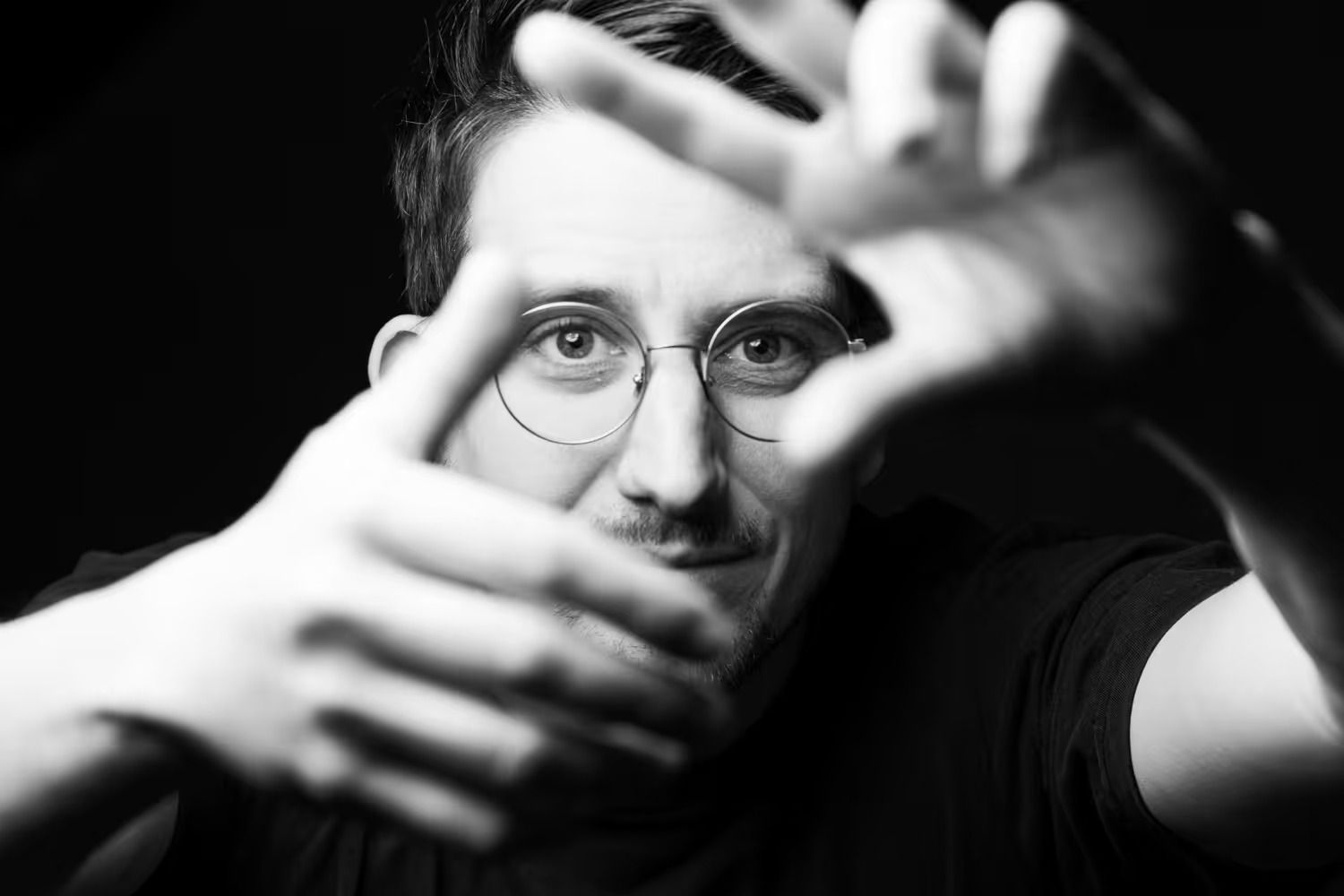
“Great photography is about depth of feeling, not depth of field.”
— Peter Adams
Not long ago, I worked for a wealth management firm preparing its new website. The brief asked for a modern interface, and the company had no images at all: no team photo, no offices, not a single face. Designing pages like that is a bit like climbing without holds: you still make it up, but you leave your fingertips on the wall.
The firm did bring in a photographer from its own circle. The images arrived, but without the quality or the variations you need to fill several sections across several pages. So I fell back on key visuals derived from their brand identity. It works, but I would much rather have had a real photographic universe, signed by a professional.
The problem has nothing to do with looks. A photo is evidence: it says this team, this place, this product really exist. A stock image only proves that someone paid for a licence. And now that anyone can generate a visual in seconds, the real thing is becoming rare, and therefore valuable.
Stock images, DIY photos or a photographer: which should your website use?
For everything that represents you, your team, your premises, your products, hire a professional photographer. Stock libraries remain useful to illustrate an abstract idea. Photos taken in-house, or by a friend, often lack the variety a website needs: that is exactly what got stuck on the project I just described.
I apply this rule myself. The covers on this blog mostly come from a stock library, and I own that: if I had to hire a photographer every time I share an opinion, it wouldn't be very practical, much as I'd like to. But a cover illustrates an idea. A “Team” or “About” page shows you.
Stock images make you interchangeable
A stock photo is designed to suit everyone, and that is precisely its flaw. The handshake in suits, the bright open-plan office, the smile straight at the camera: visitors have seen them elsewhere, sometimes on a competitor's site. It is the same weakness as a free website template: built to please everyone, it tells nobody's story.
A designer needs a whole visual universe
What I learned on that project fits in one sentence: a few good photos are not enough. To design a home page, a services page and a team page, you need wide shots and details, portraits and work scenes, vertical and horizontal framings. Without that universe, every section recycles the same images, and the site ends up going round in circles.
A generated image can't replace a point of view
I have nothing against generated images as such. I produced blog covers with my own image engine for a while, then stopped. What gives a photo its value is a person behind the lens bringing their own view to a situation, and that view adds meaning to the text it accompanies. Three moves, in this order:
Plan the photo shoot before the mockup, not after
Schedule the shoot at the start of the project, before the design begins. Photos dictate much of the layout: their proportions, their light, the room they leave for text. A mockup built around placeholder images doesn't survive the arrival of your real photos, and everything gets reframed just when you thought you were done.
When a client arrives without usable images, I offer two routes. The first is a professional photographer, and the one I recommend is Samuel Devantéry. The second is key visuals I derive from their brand identity or logo. They do the job very well, but they take extra design time, so extra budget, and they will never show the faces behind the company.
Brief the photographer with your site map
Give the photographer your site map rather than a simple shot list. For each page, say what it needs to show and how many sections it has. A good photographer will turn that into variations: the same subject wide and close, portrait and landscape, with room to place a headline. That is exactly what I was missing for the wealth management firm.
Hand your images to someone for whom it really is the job
Choose a photographer who knows the area and can deliver a complete visual universe, not just beautiful isolated pictures. In Valais, the first name I give is Samuel Devantéry. I have known him for decades: we come from the same town, and we have been hiking together with a mutual friend. He is a friend, I say so without hesitation, and he is also one of the best-known photographers in Sierre and across Valais.
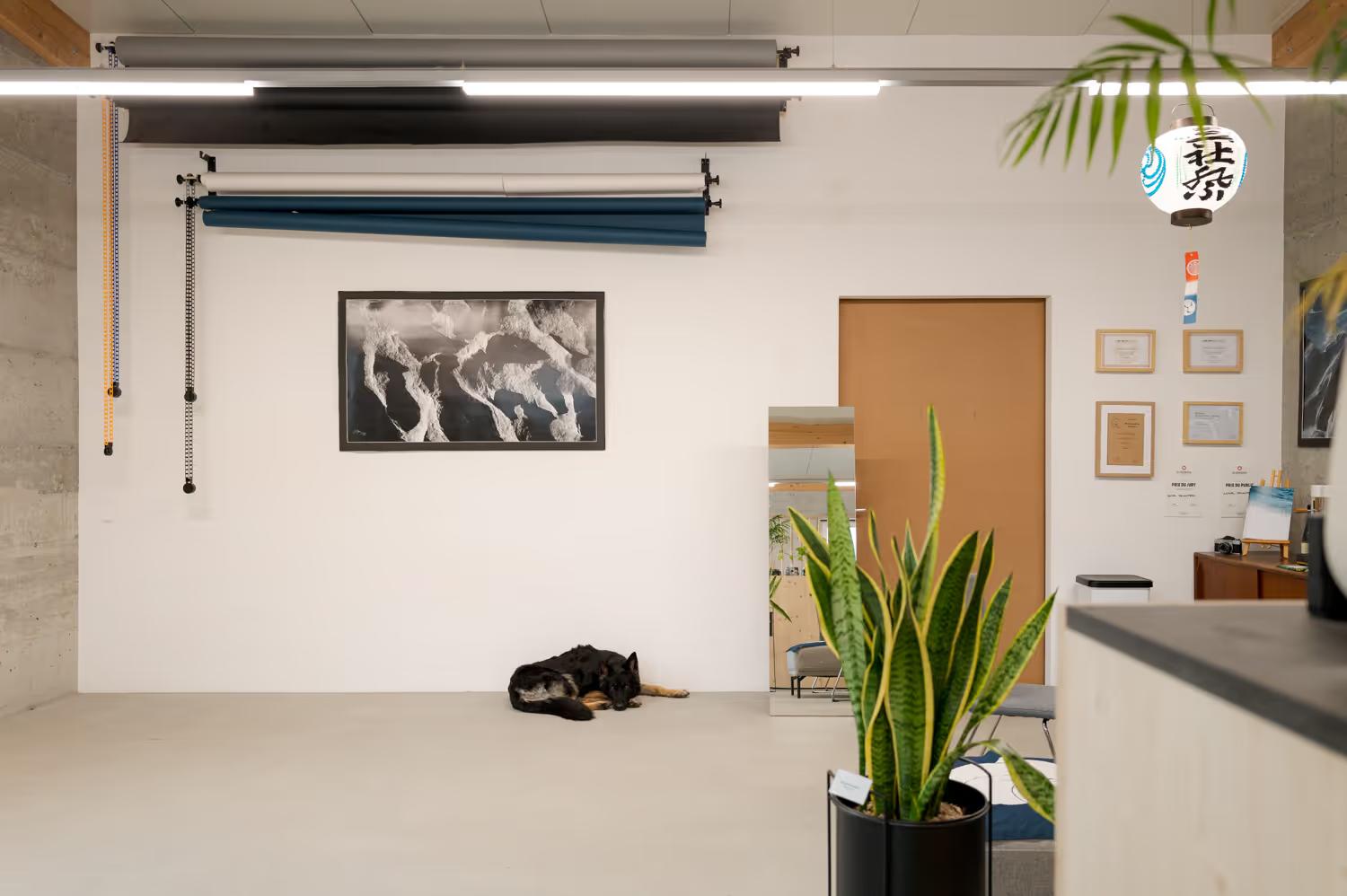
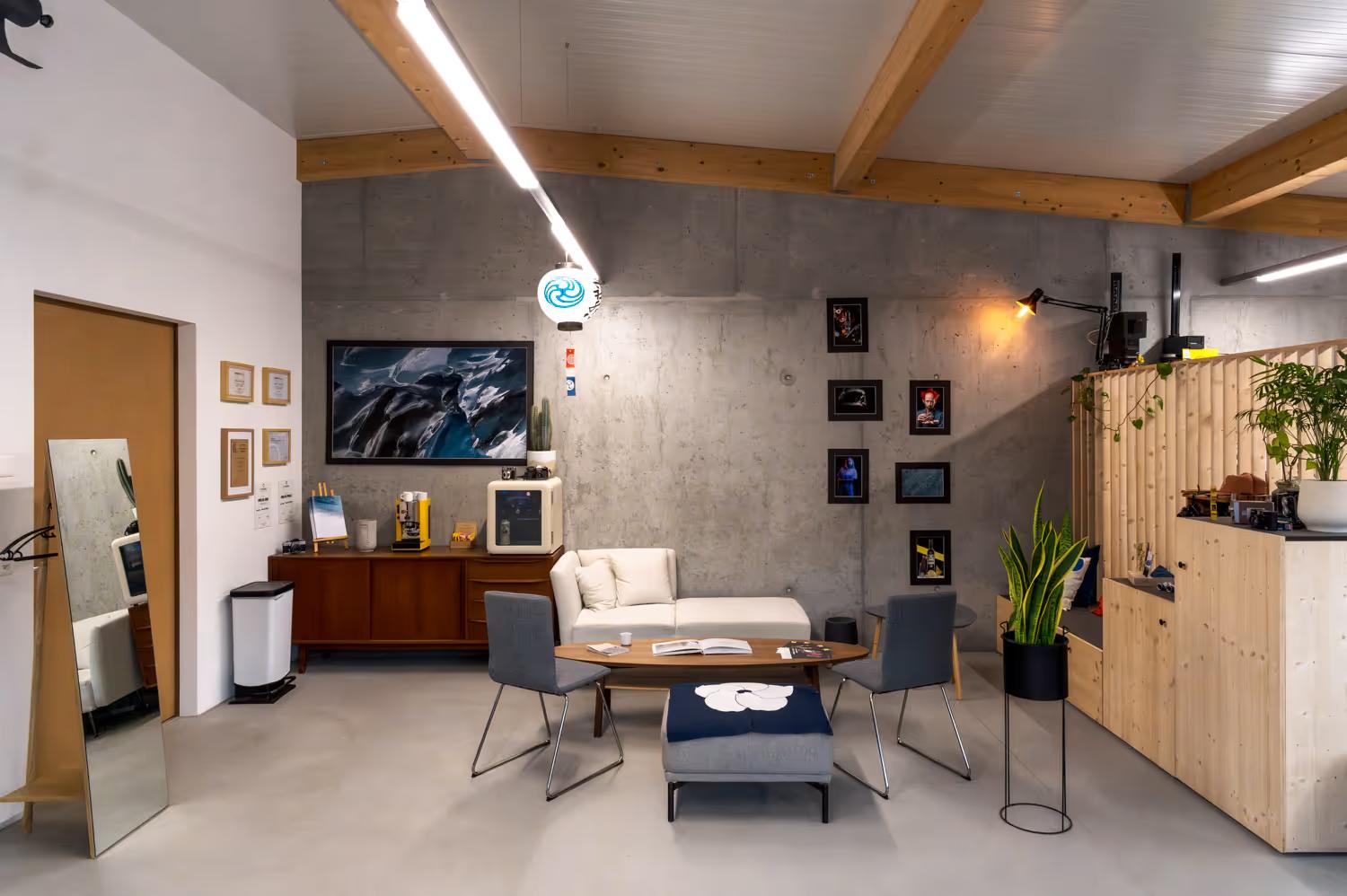
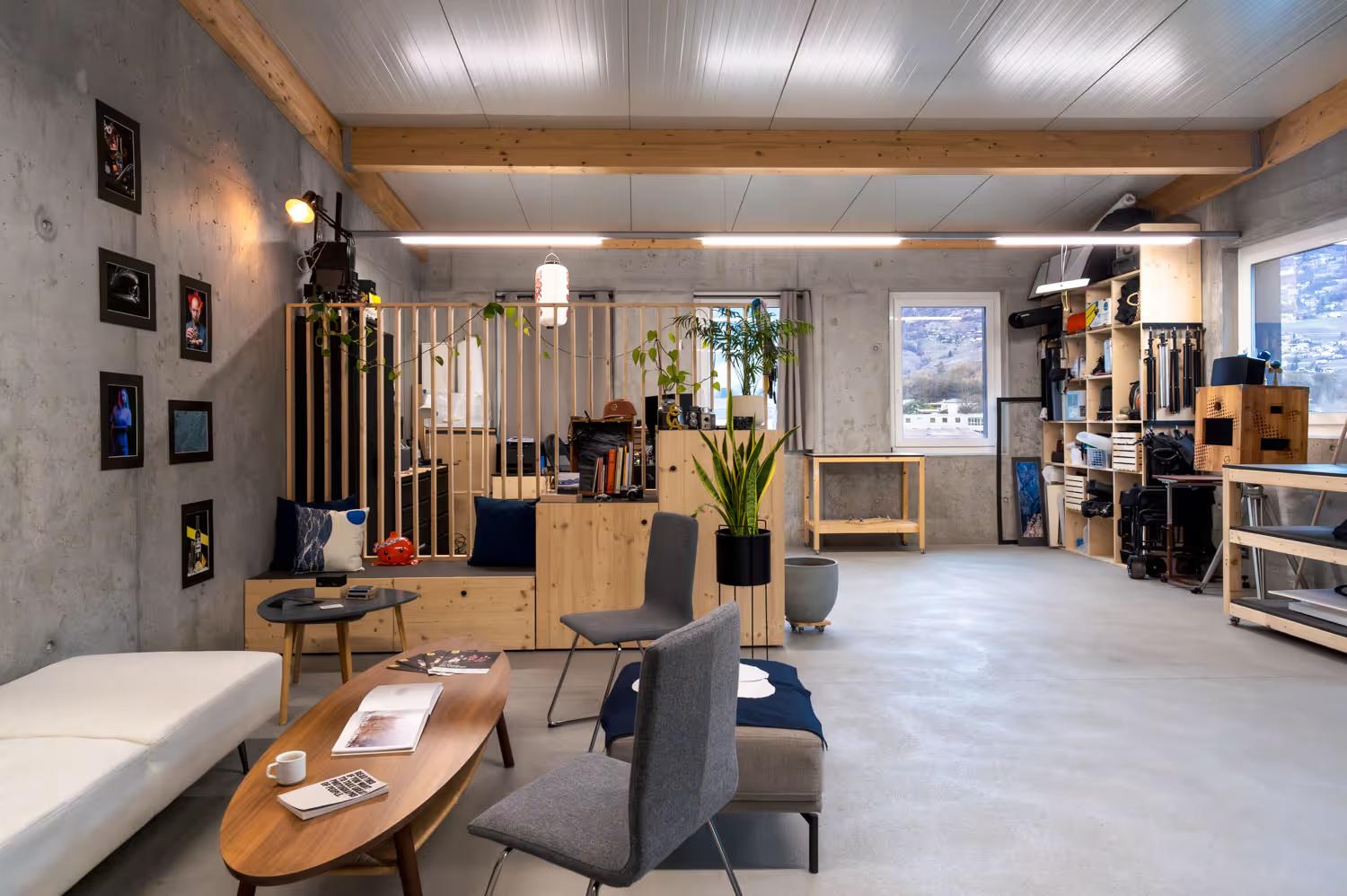
His 60 m² studio is in Sierre, on Rue de l'Ile Falcon, and he works across the whole canton. Banque Cantonale du Valais, Swiss Wine Valais, Migros and EPFL are among his clients. He also shot my portrait, and I'm very happy with it. Since I moved his portfolio from WordPress to Webflow, I know his work from two angles: in front of his lens, and inside his website.
His photography services cover more or less everything a business website needs:
- professional portraits, for your team and about pages;
- corporate photography, for a consistent visual identity;
- architecture, for architects and real estate;
- food photography, for chefs and artisans;
- product and packshot photography, for online sales;
- reportage of private and corporate events.
Clarify usage rights in the quote
Ask in the quote where the images may be used. With Samuel, the rights for everyday channels, website, social media, annual reports, are included, and the licence is spelled out in the quote. It's a detail that spares you a bad surprise the day you want to reuse a photo on a poster or in a campaign.
Add video when a still image is no longer enough
Complement your photos with video when your message works better in motion: a team introduction, a craft, an event. Samuel also makes videos: corporate films, event videos and music videos, as well as interviews for social media and drone footage for architecture or tourism.
Photo and video can be combined, with a crew for events or companies. According to him, an interview or a company portrait often takes half a day of filming, and a more complex film across several locations, one to two days.
Think about formats before you film
Decide on the formats before shooting. 16:9 serves the website and YouTube, 9:16 serves Reels, TikTok and YouTube Shorts. Planning for both from the start avoids cropping a video after the fact that was never designed for a vertical screen, and lets you feed both the website and social media from a single shoot.
An authentic image has become an advantage, not a luxury
These three moves rest on the same idea: authenticity is becoming rare, and therefore valuable. When websites all look alike, assembled from the same stock images or the same generated visuals, a real photo of your team sets you apart immediately. It simply needs to be planned upstream, just like your copy.
Reality first, layout second
It's the order I stand by in all web design: first the real material, your copy, your photos, your faces, and only then the layout that shows it off. A design built around real images holds up over time, because it has nothing to hide.
An honest limit: a professional shoot has a cost, and Samuel doesn't publish his rates. He puts together a free quote once he understands your needs, with packages designed for freelancers and small businesses. And if the budget isn't there yet, well-built key visuals will do the job in the meantime, as long as you know what they don't show.
Ready to show your business as it really is?
Your website is often the first place people meet you. Visitors don't know you yet, but they spot a borrowed image very quickly. If you need professional photos or videos, write to Samuel Devantéry and say hi from me. He'll know who you mean.
👉 And if it's the website around those images that needs rethinking, let's talk. Get in touch